
Let’s face it: owning an airplane is a major investment that requires such careful and detailed financial planning. Even if you’re a seasoned aviator or dreaming of taking to the skies for the first time, securing financing for an airplane can be daunting. This is especially true for those who don’t know what mistakes they may make. Therefore, if you’re here, the chance is you’re already a thousand steps ahead in securing the best loan to finance your airplane purchase. So, without further ado, let’s explore what the title is all about, shall we?
Neglecting Credit History
 Your credit history is like the compass that guides lenders in determining your financial reliability. Neglecting to consider its importance when applying for an airplane loan can lead to some serious turbulence down the line. J.J. BEST BANC & CO., the best airplane loan providers, and obviously other lenders definitely want to see a solid track record of responsible borrowing and repayments, so it’s crucial to review your credit report before diving headfirst into the loan application process. Are there any red flags or discrepancies? Take the time to resolve any issues and improve your score if needed. Additionally, don’t overlook the significance of maintaining a healthy debt-to-income ratio.
This ratio compares your monthly debt payments with your income and gives lenders insight into how well you manage your financial obligations. Aim for a lower ratio as it demonstrates better financial stability.
Underestimating Total Costs
Did you know that many aspiring aircraft owners tend to focus only on the purchase price of the plane and forget about the additional expenses that come with owning and operating an aircraft? Well, let me tell you. There are maintenance costs to consider. Aircrafts require regular inspections, repairs, and routine maintenance to ensure they remain safe and airworthy. These costs can quickly add up over time and should not be overlooked. Aside from that, there are also fuel expenses, hangar fees, storage costs, and even other unexpected expenses that can hit you on the face down the road.
Skipping Pre-Approval
 Aside from these two, many people also, unfortunately, assume that they can simply find a plane they want and then start the loan application. However, this approach can lead to financial turbulence down the road. Pre-approval is essential because it allows you to understand your borrowing capacity before you start shopping for planes. This means that you’ll have a clear idea of your budget and be able to narrow down your options accordingly. It also gives lenders confidence in your ability to repay the loan, making it more likely that you’ll secure favorable terms. By skipping pre-approval, you run the risk of falling in love with a plane that is outside of your price range or not being able to secure financing at all. This can result in wasted time and disappointment as well as potentially damaging your credit score if multiple lenders pull your credit report.
Overlooking Terms and Other Options
Overlooking the terms and neglecting alternative financing options when applying for an airplane loan can have significant financial implications. By thoroughly reviewing all aspects of a potential loan agreement, borrowers can avoid unnecessary risks and make better choices that align with their long-term goals.
When it comes to financing an airplane, avoiding common mistakes can save you from financial turbulence down the line. Neglecting your credit history, underestimating the total costs involved, skipping pre-approval, and overlooking different terms and options are all pitfalls that could hinder your aviation dreams.…






 Unlike title loans, which require collateral, signature installment loans are unsecured and based solely on your creditworthiness. Thanks to a signature installment loan, you can get a fixed amount of money and repay it over time in equal installments. It helps you budget more effectively and avoid any unexpected financial strain. Plus, with reasonable interest rates, you won’t find yourself drowning in debt. The best part about signature installment loans is that they offer flexibility when it comes to repayment terms. To apply for a signature installment loan, all you need is a steady source of income and good credit history. Lenders typically evaluate your ability to repay the loan by considering factors such as employment stability and debt-to-income ratio.
 First off, note that you need to follow this guide ahead before, not starting when an emergency strikes you. Unexpected expenses can come at any time, and they can really put a damper on your finances. Basically, an emergency fund is a savings account that you only use for unexpected expenses. This way, you won’t have to dip into your regular savings or take out a loan when something comes up. To start, try to save up $500-$1000. This will cover most small-scale emergencies. Once you have this saved up, you can start working on saving up 3-6 months of living expenses. This will help you cover more major emergencies, like job loss or a medical emergency. Saving up an emergency fund may take some time, but it’s worth it in the long run. Having this cushion will help you weather any financial storms that come your way.
 If you find yourself in a situation where you need to come up with some extra cash, getting side gigs is a great way to do it. You could look for freelance or contract work, such as writing articles or doing graphic design for websites. You could also try delivering packages for local businesses or driving for a rideshare service like Uber. You may consider taking on some extra hours if you already have a full-time job. Additionally, you could rent a room in your home or participate in online surveys and focus groups offering cash rewards. Unexpected expenses can be a huge challenge to manage, but with the right strategies in place, you can ensure you are always prepared for any financial surprises.

 Finally, credit monitoring services can help you maintain a healthy credit score. By keeping track of your credit report, alerting you of any changes, and providing helpful tips, these services can go a long way towards helping you keep your financials in check. With access to personalized reports and real-time information, these services can help you stay on top of your credit health and make better decisions when it comes to managing your finances. Experts have compared using such a service is like having a professional credit consultant onboard who can give you advice and point out any issues that may be causing your score to drop. If you want to take a proactive approach to manage your credit health, then using one of these services is highly recommended.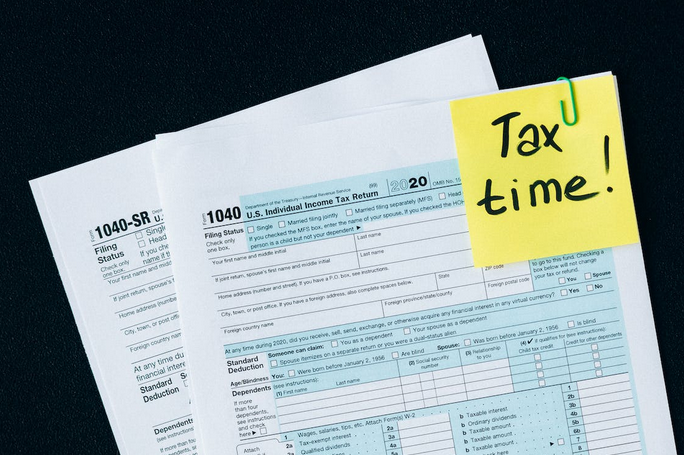

 Self-preparation is a cost-effective option for those who have a basic understanding of tax laws and regulations. Tax preparation software and instructions can be found online, and many tax forms can be filed electronically. However, self-preparation may not be suitable for those with complex financial situations, as mistakes can result in significant penalties and fines.
 The cost of tax preparation services varies depending on the type of service you choose. Online tax preparation services are typically the most affordable option, with prices starting at around $50. In-person tax preparation services can cost several hundred dollars, but they are worth it for those with complex financial situations.
 One of the most common reasons people find themselves in a cycle of debt is because they’re living beyond their means. This means spending more money than you actually have coming in each month. It’s easy to do this if you’re not careful with your finances. For example, let’s say you make $3000 per month after taxes. You may think that you can afford to spend $2000 per month and still have enough left over to save. However, if you have any debts or other expenses that you’re not accounting for, this may not be the case. Before you know it, you could find yourself in a situation where you’re only able to make the minimum payments on your debts each month.
 Now, this might be the worst reason of all why people are stuck in a cycle of debt. Some people think that the best way to get out of debt is to take on more debt. They do this by taking out loans to pay off their existing debts. This may seem like a good idea at first, but it can make your financial situation worse. When you take out a loan to pay off debt, you’re usually borrowing money at a higher interest rate than the interest rate on your existing debts. It means that you could end up paying more in interest over time. Not to mention, you’ll now have multiple debts to keep track of each month.

 Last but not least, it is essential to be aware of any warning signs of credit card debt. These can include making only the minimum payment each month, using your credit card to pay for necessities, or using your credit card to cover unexpected expenses. If you notice any warning signs, take action immediately to prevent your debt from getting out of control. That’s why, if you ever see these warning signs, get help from credit counseling or financial services. You may see many other daily habits that can help prevent credit card debt, but these are some of the most important. If you can start practicing them today, you’ll be on your way to a healthy financial future. After all, we all want to avoid debt and live a comfortable life. So don’t wait any longer. Start working on these habits today.…

 Another important thing to remember when taking out an emergency loan is that you should pay back the loan as quickly as possible. If you can, you should try to make extra payments each month so that you can pay off the loan sooner. Paying back the loan as quickly as possible will help you save money on interest and help you get out of debt faster. If you cannot make extra payments each month, you should at least try to pay off the loan as quickly as possible. This will help you save money on interest and help you get out of debt faster. By following these tips, you can ensure that you are taking out the right loan for you and that you will be able to repay it without any difficulty.
 You will often qualify for lower interest rates on loans and credit cards if you have a good credit score. It can save you a lot of money over time, as the interest can add up quickly.
 Maintaining a good credit score is not only crucial in the short term, but it can also help you improve your overall
 Another benefit of financial counseling is that it can help you set and reach financial goals. Whether you want to get out of debt, save for retirement, or build up your emergency fund, a counselor can assist you in developing a plan to reach your goals. Counselors can also guide how to make changes in your spending habits to reach your goals.
 Last but not least, financial counseling can also provide debt counseling and management. If you are struggling with debt, a counselor can help you develop a plan to get out of debt.
 One of the most important things to consider before getting a payday loan is the interest rate. This type of loan often comes with very high-interest rates, so you must understand how much you will be paying back in total.
 Another thing to consider is the borrowing limit. Many payday lenders will only allow you to borrow a certain amount of money. You must know how much you need before applying for a loan.
 The last thing to consider is the repayment terms of your payday loan. Many lenders will allow you to either repay in full at once or stretch out payments over several months with interest incurring each month. You should always know how much money you need and how much you’ll have to pay back before accepting a payday loan.
 It is essential to note that not every crypto trading platform will be ideal for you. You need to ensure that you choose a reputable platform for crypto trading. The type of reputation a crypto trading website has will be essential in determining how reliable they are. It is rather sad that many crypto trading websites that claim to be the best are not good at their services.
 It would be best if you considered the qualification of an accountant before hiring them. Accounting firm is crucial in helping many enterprises find a qualified accountant. You must ensure you are hiring someone who knows what they are doing.
 The third factor you should put into consideration when selecting an accountant is their availability. Select an accountant who is easily available to offer their service to your enterprises. It would help if you considered availability, especially when you are hiring an accounting firm.
 Some friendships and family bonds break because of financial issues. A common issue is people defaulting on loans. People are likely not to pay back loans from loved ones because of the relationship. It ends up destroying bonds and creating awkward situations between loved ones and family. Payday loans help you avoid these inconveniences and keep your relationships as they were.
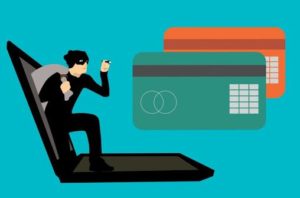 theft be prevented if you are active online all the time? Just because you are activated on various platforms available on the internet worldwide, you are exposed to various risks. There are several things you can do to stay protected and avoid losing essential information. They include:
 basic guidelines for protection against identity fraud:
 Sharing too much can cause a lot of problems for you. If you keep the exchange of personal information and where all the time, then how can identity theft be prevented. Here are some tips to prevent identity theft:
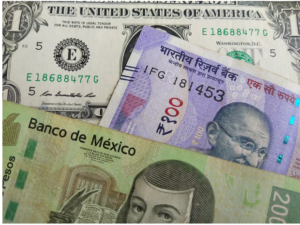 When you open your trading account, you will see the selling price and the buying price on the screen. For example, the Japanese yen against the dollar may look like this;106.90/106.92, and these numbers are the selling price and the buying price in that order.
 A low spread matters for every trade significantly, but the execution of the order is equally important. When you click sell or buy, there is the price indicated on the screen. And if you can land that, and not anything a few pips away, then you get a good deal. Delay in execution is bad for a trader. It means that you will hardly land the price that the broker will have advertised.
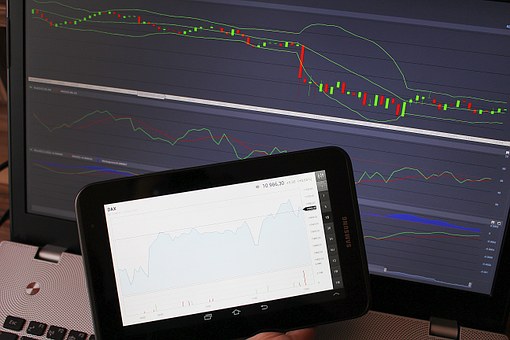

 Most lending institutions will first look at your credit score. They want to know if you can service a loan before they give one to you. If you don’t have a good credit score, you need to first focus on improving it. Dispute any inaccuracies or errors affecting your credit score. Usually, they will correct such issues within 30 days. If you haven’t paid your credit cards, start paying to improve your score.Also, strive to keep your credit card balance with the 20% range. Another thing you can do is always pay creditors on time, and you will be on their good books.
 If you want to get a house loan, ask for a reasonable amount of money. It should coincide with the evaluation of the property you are buying or remodeling. However, do not forget to factor in other costs that come with acquiring a house.
 Lenders always want to know if you can pay the money they will give you. Your savings may indicate that you can. A massive down-payment reduces the burden and motivates the lender to approve your house loan.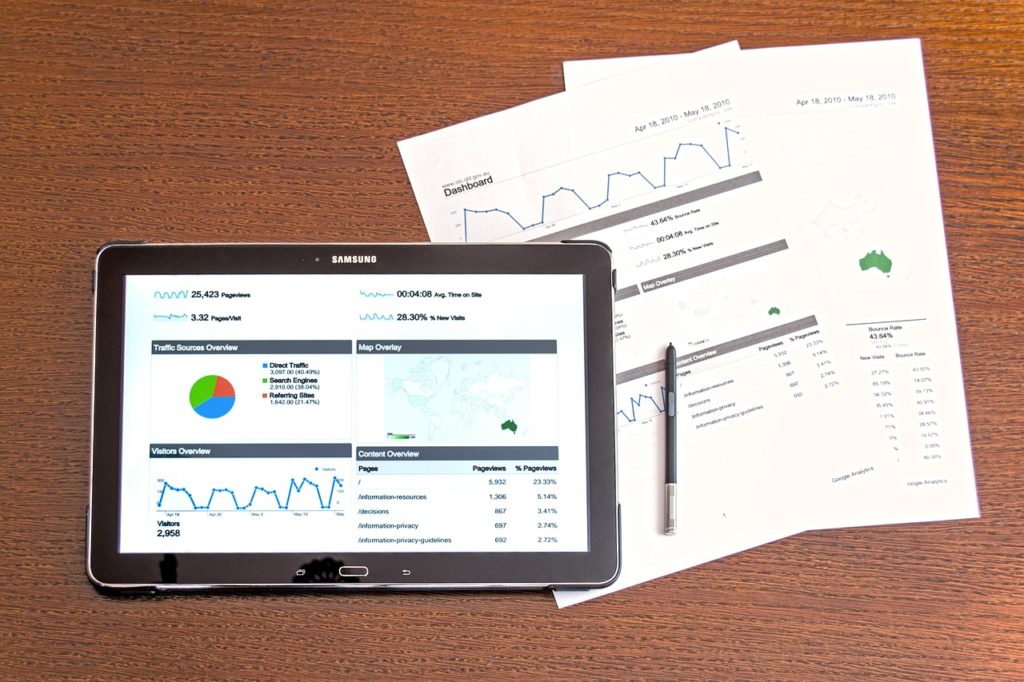



 Using a mortgage broker is one of the easiest ways to access this type of loan. They are familiar with different institutions and will advise you on which one is the best to pick. Using them also speeds up the process of acquiring this type of loan. You should look for the right person or company to get quality service. Here is what you should consider when choosing one.
 mortgage brokers can refer you to some of the best. You can ask relevant questions you need to know about the mortgage brokers. Recommendations from friends will give you a variety of options to pick. You will have a smooth time getting your new home.…
 1. Security

 Important Tips to Remember

 You need a broker that you can rely upon to be trustworthy and will not vanish all of a sudden. The forex market is surprisingly devoid of rules, so there is a wide range of forex broker from which to choose. Like most things, some of the brokers are more honest than others. Check the